

what to post when nothing happened today: the short answer
what to post when nothing happened today: the thing that didn't happen. the decision you put off, the reply you're waiting on, the one small fix, what you learned, what you'd tell yesterday's you. a quiet day almost always has a story in it. it just needs someone to ask the right question.
"nothing happened" usually means nothing shipped. that is a different thing. you still made choices, still waited on people, still changed your mind about something. to an audience following the build, those are the episodes that explain the ones where something did ship.
and if there is truly nothing, post something short. a minute, or thirty seconds, or your voice with no camera. the chain matters more than the day. the rest of this page is the prompts, the formats, and how to make tomorrow's quiet day easier than today's.
why nothing happened today feels like nothing to post
most advice on this is written for lifestyle vloggers. film your coffee, show your desk, do a q and a. that is fine if the audience came for you. if they came for the build, a tour of your desk is filler, and they can tell.
a founder's quiet day feels empty for a specific reason: you are measuring it against output. no commit worth mentioning, no customer, no launch. but people following a build in public are not following output. they are following a story, and stories are mostly made of the bits between the events: the waiting, the doubt, the call you haven't made yet.
the other reason is the blank page. staring at a camera or an empty post box with no question produces nothing, even on a busy day. on a quiet day it produces a shrug. the fix is not more willpower. it is a better question.
what to post when nothing happened: five places to look
every quiet day has at least one of these in it. pick one and stay on it. one thread told properly beats five things listed.
- the decision you didn't make. you looked at it, and left it. why? what would have to be true to decide tomorrow? an undecided choice is suspense, and suspense is what brings people back for the next episode.
- what you're waiting on. a reply from an investor, a supplier quote, a review, a customer who said they'd think about it. say what you're waiting for and what you'll do in each case. it sets up a future episode for free.
- one small thread. a bug that took an hour, an email you rewrote three times, a price you nearly changed. small, specific and finished is better than big and vague.
- what you learned. not a lesson for the audience. something you didn't know yesterday: a number, a reason a customer left, how long something really takes.
- what you'd tell yesterday's you. it forces a comparison, and a comparison is a story with a before and an after.
24 prompts for a day when nothing happened
answer one out loud, not in writing. spoken answers come out plainer and more honest, and they are faster. each one is phrased so the first sentence of your answer names the subject, so a stranger arriving cold can follow it.
- what's the decision you've been putting off, and what's stopping you making it?
- what are you waiting on right now, and from whom?
- what did you almost do today and then didn't?
- which task took longer than you thought, and why?
- what did you change your mind about this week?
- what's the smallest thing you fixed today, and how did you notice it was broken?
- what's one number you checked today, and what did you want it to say?
- who did you talk to today, and what did they say that stuck?
- what did a customer, a client or a user ask for that you haven't built or done?
- what are you avoiding, honestly?
- what would you tell yesterday's you about today?
- what do you know now that you didn't this morning?
- what's the most boring part of the business right now, and why does it matter?
- what did you read or hear today that changed how you see the problem?
- what's the worst case if the thing you're waiting on goes wrong?
- what's one thing you said no to?
- what would you do tomorrow if you had twice the time?
- what's working that you haven't talked about yet?
- what did you plan to do today, and what did you actually do?
- what are you unsure about that you'd normally keep quiet?
- what does a normal day in this business look like that nobody sees?
- what's the next small step, and when will you know if it worked?
- what did you spend money on this week, and was it worth it?
- what's the question you'd want someone following this build to ask you?
notice what's missing: "share a tip", "post a behind the scenes", "do a poll". those fill a slot. they don't move the story. a follower who watched the last episode wants to know what happened next, and "I'm still waiting on the quote, here's what I'll do either way" is what happened next.
what not to post when nothing happened
- a manufactured win. dressing up a quiet day as a breakthrough is the fastest way to make the real breakthroughs unbelievable later.
- an apology for having nothing. "sorry, slow day" tells people to skip. say what the slow day was instead.
- a generic lesson. "consistency is key" is a poster. the specific thing you learned today is a post.
- a recap of everything. five small items listed flat reads as nothing. one of them followed through reads as a story.
a quiet day still has a story if someone asks the right question
the prompts above work. the problem is that you have to pick one, at the moment you feel least like talking. that is the job underway takes away. it is a founder diary that works by interview: once a day, whenever suits you, it asks out loud, one question at a time, and you answer each for as long as it takes.
the questions are written from what the day actually held. it reads what you connect (calendar, GitHub, your meeting recorder, stripe and the rest, read-only), plus anything you captured yourself. then it proposes threads from today, threads the series has noticed in what you've said on camera, and what the last episode left open. on a quiet day that last one does a lot of work: "still open from episode 11" is often exactly the thing you're waiting on.
the interviewer asks one question for each thing you picked, in that order, and never adds a follow-up. it doesn't praise, and it ends after the last question. a quiet day told well is often a better episode than a busy one crammed into three minutes.
when there really is nothing: keep the chain with something short
some days are empty, or you are. the right move is still to post something, because a missed day is easier to repeat than a short one. the question is only how short.
| what it is | how long | when it fits | |
|---|---|---|---|
| short episode | one or two questions on one thread | about a minute | a quiet day with one small thing in it |
| the rescue | one question to camera | thirty seconds | you were about to skip. it still counts and the number goes up |
| podcast, no camera | the same interview, voice only, questions kept in | as short as you pick | no face left, or you're in a car or on a walk |
| just talk | no questions, one take, your notes above the camera | as long as it takes | you already know the one thing you want to say |
| interview | one question for each thing you pick | as long as your answers run | most days, quiet ones included |
all of these are numbered episodes. episodes count, not days, so a thirty-second one on a flat tuesday is simply the next number. and if you're away, a declared pause protects the streak with one tap and no reason asked. skipping costs nothing either: no streak lecture, no second ask.
make tomorrow's quiet day easier: capture during the day
the best cure for "nothing happened" is noticing things while they happen. by the time you sit down, the small moments have flattened into "a normal day". three tiny habits fix that, and none of them is required:
- a moment: fifteen seconds to camera when something just happened. the deploy went green, the customer went quiet, the thing fell over. you at two o'clock, actually annoyed, is worth more than you at six explaining it calmly.
- a fragment: the thing itself, no talking. a photo of the whiteboard before you wipe it, a screenshot of the graph. it's context for the interview, never dropped into the episode.
- a freestyle: thinking out loud, any length, on a walk or in the car. it's transcribed and becomes context, so the interview can pick up one thing you said at lunchtime.
in underway all three land in the day's tray, and the interview reads them. so instead of "how was today?" you get "you recorded something at two and sounded fed up. what was that?". and a moment from a day with no episode isn't lost: it waits on Today under Kept from other days and feeds the next interview, dated.
what to say in a daily vlog when nothing happened: a worked example
say the notes read: "answered emails. waited on the packaging quote. tidied the product page." that looks like nothing. asked properly, it is an episode:
- what's the state of the packaging quote today? (the subject is named in the first answer, so a stranger can follow.)
- what happens to the launch date if it comes back over budget?
- what did you change on the product page, and what made you change it?
- what are you doing tomorrow whichever way the quote lands?
four questions, about three minutes, and the episode has tension (the quote), a small resolved thing (the page), and a forward beat (tomorrow). the next episode starts itself: did the quote come back?
if a short video each day is the habit you want to keep: daily video journal app.
what should I post when nothing happened today?
post the thing that didn't happen: the decision you put off, what you're waiting on and what you'll do either way, one small fix told properly, or what you learned. if there's truly nothing, post something short, thirty seconds or a voice-only episode, so the chain survives.
is it better to skip a day than post something boring?
a short honest post usually beats a skip, because skipping is easier to repeat. but a skip isn't a failure either. set a commitment you can keep, weekdays or three a week, and pause when you're away rather than forcing it.
what do I say in a daily vlog when nothing happened?
answer one specific question out loud rather than trying to summarise the day. "what are you waiting on and from whom?" or "what did you almost do today and then didn't?" both produce a real answer in under a minute.
won't quiet days bore my audience?
people following a build want to know what happens next. a quiet day that sets up a question, a quote, a reply, a decision, gives them a reason to watch the next episode. a quiet day padded with filler is what bores them.
how does underway help on a day when nothing happened?
it interviews you. it reads what you connected and what you captured, suggests threads including what the last episode left open, and asks one question for each thing you pick, answered as long as it takes. you can also choose a short episode, a thirty-second rescue, or voice only.
where to go next
if the blank camera is the real problem, not the quiet day, read what to do when you don't know what to say on camera.
for questions that work on any day, quiet or not, see questions to answer on camera about your business.
and if you're away rather than stuck, pause without breaking the streak.
this is part of underway's guide to founder-led content: founder-led content, without the work of creating it.
From the series
Founders’ episodes, written up.
Every public episode on underway has a page of its own: the video, then the same account in writing, checked against what the founder actually said.
Browse every series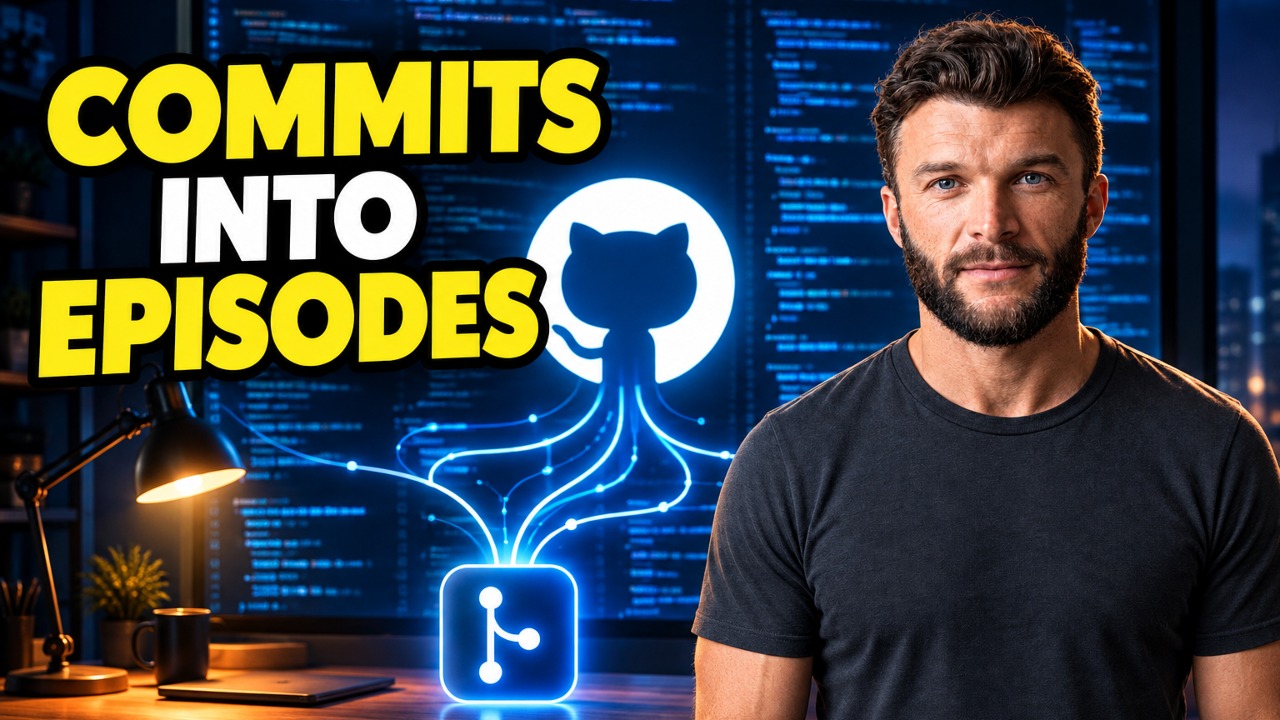
Building Underway
Build in public straight from your commits, no scripting
I demo Underway, the tool I built to turn my commits and standups into a build in public video update. It connects to 14 tools, had read 76 GitHub items that day, and on the Today page showed 15 suggested questions split into new topics, open threads, story needs next and walkthroughs. I also cover what else it reads, inbox, Search Console, Meta Ads, YouTube and Google Analytics, and the fact that the host prompts you but the voice stays yours. Finished episodes land in a private vault, and from there you can post to social, YouTube or the public Underway directory.
Building Underway
Why I post AI content to a new Instagram, not my main
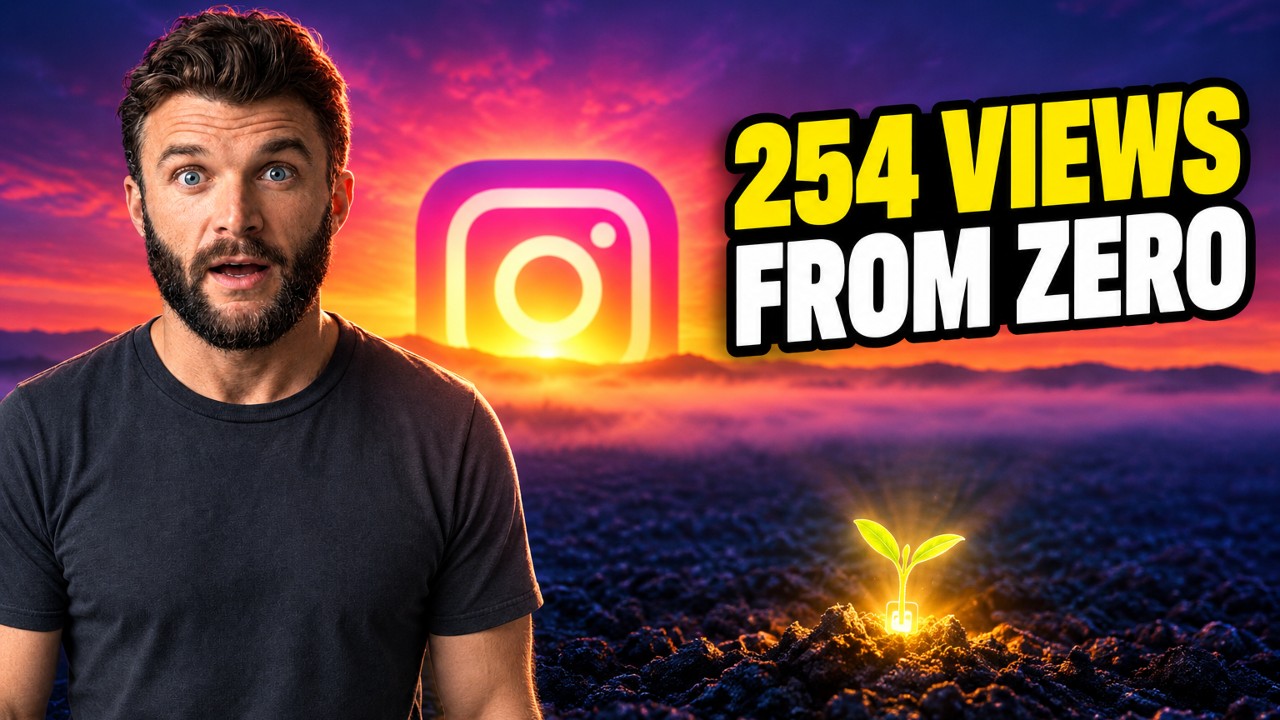
I created a second Instagram account, @underway.life, for faceless AI content, and I post the AI-made Shorts there before they go to my own profile, @underwayrich. My own followers aren't Underway specific, so I'm betting the algorithm will find the pocket of people who actually want this content on a fresh account, and posting to mine first would make the new account's posts count as copied content. One of the videos got 254 viewers yesterday, more than some of my own get. I also showed a video I didn't give the idea for, about a man taking over his dad's 30 year old bakery with no documentation behind it.
Building Underway
Writing a marketing brief with AI
I ran Underway's marketing brief tool on Underway itself and walked through what it produced. It read my site, 537 shipped changes from GitHub, 10 episodes for how I sound and 18 searches, then came back in about four minutes with who it's for, positioning, messaging, where to spend effort and a next 30 days list of 16 things I can tick off. The audience sections matched what I already believed, solo founders who stopped because of the camera or the edit, and makers outside software. Search is the slow part: 309 impressions, four clicks, nothing on page one yet, and the 59 retitled articles need months.
Risk Takers
YouTube thumbnail testing: 25 tries, video still flopped
My interview with Anthony, packaged around the US midterms, turned out to be one of my worst performing uploads despite trying twenty five different thumbnails. The last midterms-themed episode had passed 100,000 views, so I expected this one to land the same way, but none of the thumbnail tests fixed it. Anthony told me afterwards it was one of our best conversations, and we covered things like Elon Musk's political donations and the Citizens United ruling, so I don't think the content was the problem, I think my audience wants market talk rather than politics talk. I'm still not sure how to close that gap between a strong conversation and packaging that doesn't pull my regular viewers in.

Building Underway
Conversational AI demo: testing my co-host after 'AI slop'
I talk with Cedar, Underway's AI co-host, about feedback from my friend Alessandro, who tried the voice agent and said it felt like AI slop, giving generic, overly enthusiastic answers and talking over him. I ask the co-host to recall episode 40, where I built WhatsApp and Slack bots that nudge me to record, then test whether this newer version sounds more natural than before. I also ask if it has other voices or accents, but it currently only speaks in one voice with no accent switching.

Building Underway
Facebook ads top of funnel message vs what you sell
I ran paid ads for Underway and plenty of people signed up, but hardly any crossed the line because they put in a fake card. Recording this on the day it landed, because I don't want to pretend it's all going smoothly. Looking at it honestly, the ad that converts best doesn't relay what Underway actually is: the unique part is that it knows you and makes documenting easy, not that it clips videos together and puts a thumbnail on. I'm not giving up on it, but I'm back to the drawing board on the messaging.