
What happens when you go from your first paying customer to a refund in one week?
by Richard Lovatt · updated 19 October 2026
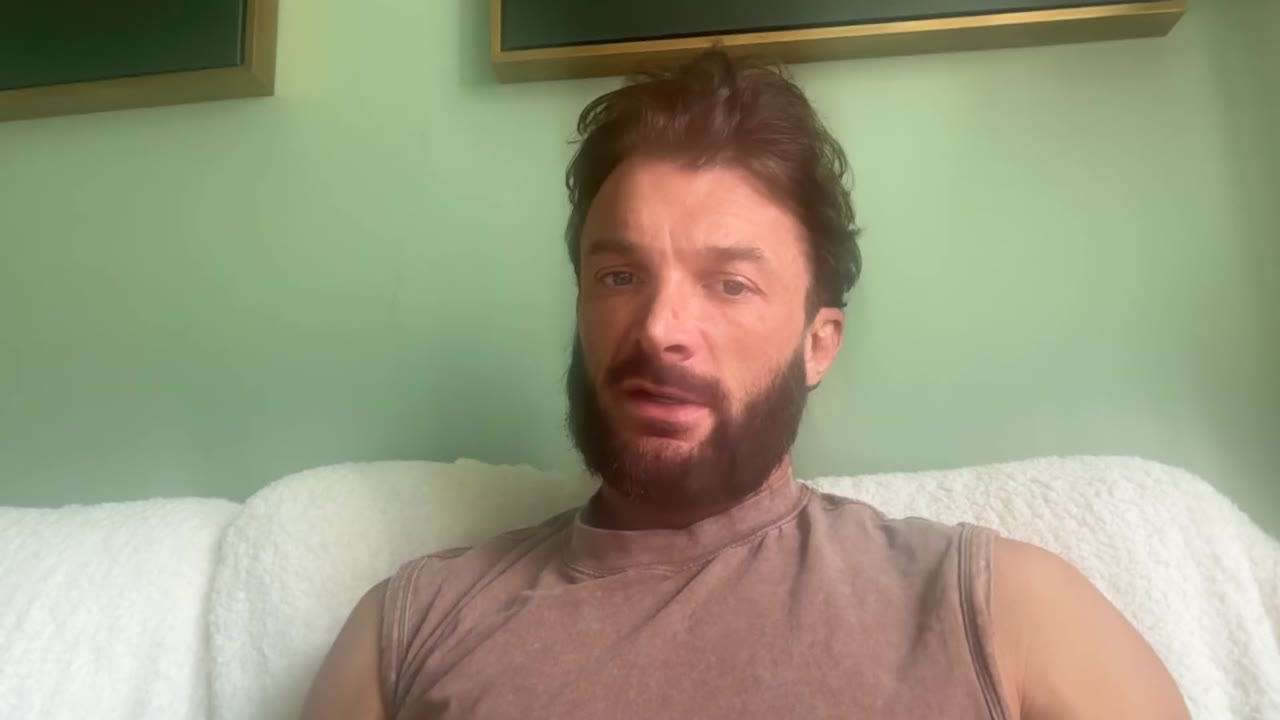
It is normal, and it is survivable. I got Underway's first paying customer at $29.99, then a second payer who had come through a trial ad asked for a refund, and revenue went from $60 back to $29. Underway is the app that reads your day, interviews you out loud and hands back a finished numbered episode, so I filmed both moments instead of only the good one.
In short
- A refund in week one is usually a signal about your funnel, not about your product.
- My second payer came from an ad pointing at a trial, so being charged was my setup's mistake, and I refunded him.
- Revenue dropping from $60 to $29 can sit alongside real progress: seven card-in trial signups came in the same day.
- Asking for a card at signup gives people more skin in the game than a free-with-no-card trial.
- Film the dip as well as the win, because you cannot film today tomorrow.
What actually happened in that week
I got my first paying customer for Underway. $29.99, direct, no trial. I remember the feeling: it was like making my first sale in a sales job years ago, that ka-ching moment you lose once you get good at it. What got me was that some random person on the internet saw the thing I had built and said yes, I need it.
Then a second person signed up and paid a few hours later, and that one came from one of the ads. That made no sense, because at the time I was only running ads to a free trial. You would actually find it hard to pay from that path. So I looked into it and decided I would have to reach out and offer him a refund, because he was meant to be in a trial.
Because of data rules I cannot get into a customer's account. The only things I can see are things like whether they set up a series name or a title. I had been told he had set up his series, so he had done things in the app, and even though he had been charged he carried on without making a fuss. That told me he was the type of customer I want. He did reach out, I sent the refund, and revenue went from $60 made back down to $29.
So on paper, within a week, I went from first paying customer to a refund and a smaller number. That is the headline. The rest of this is what it actually means, and what I would tell anyone else staring at the same dip.
Why a first-week refund is usually a funnel problem, not a product problem
The thing worth separating is why the money came back. A refund because someone used the product and hated it is one problem. A refund because your own paths contradicted each other is a different problem entirely, and it is the one I had. My ads said trial. My checkout took a payment. The person did nothing wrong, and neither did the product.
That is why I was genuinely pleased while refunding him. He had been charged by accident, he had gone and set up his series anyway, and he works at a legitimate, high-level business, exactly the person I want using this. If I had argued about $29.99 I would have traded a real early user for a number on a dashboard that nobody else was looking at.
It also pointed at something I needed to fix rather than something I needed to defend. At one point I even thought, maybe I should make them pay. The honest answer is that the offer has to be one thing, said the same way everywhere, so the person landing on the page knows what their card is about to do.
If you are reading this with your own first refund open in a tab, ask that question first. Did they ask for the money back because the thing did not do what you said, or because your own funnel told them two different stories? The second one is a half-hour fix and a nicer email to write.
Free signups, free trials, and card-in trials: where each one falls down
Before this, I ran ads to join for free and get free episodes, which I now think might have been the worst decision ever. People signed up through the night and I would look in the morning feeling good, then open the accounts and find them stuck, barely into the app, not using it.
A free trial with no card has the same problem in a thinner disguise. Nothing has been risked, so nothing has been decided. People try it the way you try a sample in a supermarket. The signup number goes up and your sense of what is true goes down.
A card-in trial changes who shows up. We shifted from join for free on the ads to sign up, enter your card details, and get 14 days free. These people have a bit more skin in the game, and they are obviously the type who believe in it more than before. On the day of the refund we had seven signups onto the trial, seven people who put their card in. Three others tried, their card failed, and they did not try again, which tells you something too.
A straight buy page is the other end. Send traffic to a page to buy and see if people buy. You will not know unless you try. The cost is that you are asking for a decision from a stranger about a product they have never opened. For most people making something, the card-in trial sits in the right place: you have the commitment without demanding faith.
What to do in the week after a refund, step by step
First, make the offer consistent before anything else. Every ad, every landing page and the checkout itself should describe the same deal in the same words. If the ad says trial, the checkout takes the card and charges nothing until day 15.
Second, refund without a fight and reach out personally. I could only see that he had set up his series, so I emailed him, and that was the whole process. One of the trial signups, Dr Luke, I messaged, then called, and walked him around Underway and showed him what it can do, and now we are in touch. At this stage the money is not the point, because I am losing far more than I am making. The experience of the people using it is the point.
Third, change the metric you judge by. Stop looking at signups and start looking at card-in trials, because that is the number that predicts anything. Leads from a free funnel will flatter you all week.
Fourth, film it. I got this on camera so I could remember the point where I was genuinely happy refunding someone and happy about trial signups. The start of a business is the bit nobody records. Add 365 days and maybe ten signups in this sense is a thing of the past, and maybe a hundred is normal, but you only get to look back at today if you filmed today.
Why I filmed the dip instead of waiting for a better number
I always say the same thing: imagine Jeff Bezos building Amazon and seeing those first initial days. Imagine hearing from him when he just got his first customer. Nobody pointed a camera at Amazon before it worked, so that record does not exist for him or for almost anyone. That is the whole reason Underway exists.
If you only film the wins you end up with a highlight reel, which is the documentary made twenty years later from photos and a memory. The real record is the week where revenue went up, then came back down, and you were still fine. One thing I say is that the investors of the future will be watching you from day one, and they will invest in companies who have their day one on camera.
There is a practical version of this too. When I look at the milestones Underway has noticed in the background, it is things like your first payment landed, your first trial came in, ten people have signed up from your ads. Those are the small moments that are gone if you did not record them. You cannot film today tomorrow.
Not everyone wants to build in public and not everyone wants to document in public. But plenty of people see the value in starting something and documenting as they go, and then keeping it private until they are ready. That is why everything goes into the vault first, private until you choose to share it.
How Underway makes filming the bad week possible
The reason most people do not film a week like this is not laziness. It is the blank camera, the edit and the retakes. You get to the end of a day where you refunded someone, and the last thing you are doing is scripting, lighting and sitting in a timeline for two hours.
Underway reads the tools you work in first, so it already knows what happened: commits, calendar, meetings, payments and more, read-only. Then it asks you about your day out loud, like a conversation rather than a set of questions, and minutes later a finished numbered episode exists, video or podcast, captions written. There is no editor to open and no words in it that you did not say.
Because it is numbered like a TV series rather than a feed, a bad week is just the next episode. Miss a day and you pick up where you left off. That matters more than it sounds, because the weeks you are tempted to skip are exactly the weeks worth having on record.
Everything stays in the vault until you choose to go public. You can record day one in stealth, build for months and share the lot later, in order. Nothing is reordered and nothing is invented.
What it costs in time and money
The time cost of documenting a week like this is the conversation itself. You talk, and the episode arrives finished. There is no edit, so the thing that normally eats an evening is simply not in the process.
Underway is $29 a month on Founder for one person telling the story of one thing they are making, or $79 a month on Series when people are watching and you want to do more with it: weekly round-ups, the podcast feed, one-tap posting, thumbnails, Found in AI answers. Both are two months free with annual billing. You start with a 14-day trial, your card at signup, nothing taken until day 15, and you cancel any time before.
Yes, that is the same card-in trial I have been describing. I run it on myself and on the people I send ads to, for the same reason: it tells you who actually means it.
The cost that is harder to count is the one you pay by waiting. Start today and episode 1 exists. Wait a year and it never will.
Who this suits, and who it does not
It suits solo founders building something right now, especially the ones who have already tried to build in public and stopped at the camera, the edit or having nothing to say. It suits people making anything, a shop, a studio, a band, a workshop, who want the start of it on record without becoming a video editor. And it suits people who have abandoned a vlog, a diary or a podcast and want a format that keeps them going.
It does not suit everyone. If you do not want to speak, a written journal will suit you better, and I would say that honestly. If you want a produced podcast with a script, guests and an editor, use a studio. Off camera is fine here: answer by voice and it is still a numbered episode, and the cut keeps what you said in the order you said it.
It also does not suit anyone who only wants to publish good news. The format is built so the refund week sits next to the first payment week, in order, because that is what makes the record worth anything later.
Questions people ask
Should I refund a customer who was charged by mistake in my first week?
Yes, and quickly. When my second payer came through an ad that only offered a trial, the charge was my funnel's fault, not his, so I reached out and offered the refund before he had to push for it. He had already set up his series and carried on without complaining, which told me he was exactly the customer I wanted to keep.
Is a free trial with no card worth running?
In my experience it fills the dashboard and tells you very little. When I ran ads to join for free, people signed up overnight and then sat stuck, barely into the app. Since switching to sign up, enter your card details and get 14 days free, the people coming through have more skin in the game and obviously believe in it more.
What should I track instead of signups?
Card-in trials. A signup from a free funnel is a click; a trial with a card attached is a decision. Judge each ad page by how many card-in trials it produces rather than how many leads it produces, and pause the ones that only produce leads.
How long is Underway's trial and what does it cost after?
It is 14 days free, with your card taken at signup and nothing charged until day 15, and you can cancel any time before. After that, Founder is $29 a month and Series is $79 a month, with two months free on annual billing.
Do I have to publish the bad weeks?
No. Everything records into the vault and stays private until you choose to share it, so you can build in stealth for as long as you like and then release the lot at once, in order. The point is that the footage exists, not that it is public on the day it is filmed.
Do I need to be a video editor to document my business?
No. Underway reads your connected tools first so you are not facing a blank camera, asks you about your day out loud, and returns a finished numbered episode minutes later with captions written. You never open an editor, and nothing is added that you did not say.
Does this only work for software founders?
No. It works for a shop, a studio, a band, a workshop or anyone making something. You write one line about what you are working on and the questions fit your world, and the connections cover things like payments, design tools and calendars as well as code.