

how to start a video diary: pick a time of day you already have, prop your phone at eye level facing a window, and answer one question out loud for a minute or two. don't write a script, don't edit, and keep it private. do that a few times a week for a fortnight and you have a diary, and a habit to go with it.
most guides stop at the camera and the storage. the part that actually stops people is the blank screen: you sit down, look at the lens, and have nothing to say. so this page is mostly about that. it covers what to decide first, the small setup that is worth doing, questions to answer when your mind goes empty, how long and how often, where to keep it, and how underway does the asking for you if you would rather be interviewed than talk to yourself.
how to start a video diary in six steps
- decide what it is for, in one line. your year, a project, a business you are building, something you are learning.
- pick a moment you already have. the first coffee, the walk home, the ten minutes after you close the laptop. a diary that rides on a habit you already keep survives.
- set the phone up once: eye level, facing the light, somewhere quiet enough to hear yourself.
- answer a question rather than starting cold. one question per entry is enough.
- keep it short. a minute or two. stop while you still have something to say.
- keep it private, at least at first. you can decide what to share later; you cannot film the beginning again.
decide what the diary is for
a video diary with no subject turns into a weather report: tired, busy, fine. one line about what you are documenting fixes that, because it tells you what to look for in your day. "opening the shop", "learning to code in public", "the first year of the business", "getting fit after the injury". you can change it later. it only has to be true now.
it also decides who it is for. a diary for yourself can wander. a diary you might share one day wants each entry to make sense to someone arriving cold, which mostly means naming the thing you are talking about instead of saying it or that.
the setup: phone, light and sound
you need nothing you do not already own. three things make the difference between footage you rewatch and footage you delete.
- the camera at eye level. a phone propped on a stack of books beats a phone in your hand looking up your nose.
- light in front of you. face a window, or a lamp. light behind you turns you into a silhouette, and no app fixes that afterwards.
- a quiet room, or the earbuds that came with your phone. people forgive a grainy picture far sooner than bad sound.

questions to answer when you have nothing to say
a blank camera asks nothing, so the day you fixed a problem you had been stuck on for hours comes out as "yeah, it was fine". a question gives your answer somewhere to start. pick one per entry:
- what is the one thing that happened today that you would want to remember in a year?
- what did you change your mind about this week?
- what is worrying you right now, and is it the real problem?
- what went wrong, and what did you do about it?
- who did you talk to that changed how you think about something?
- what are you avoiding, and why?
- what would you tell yourself from a month ago?
- what happens next, and how will you know it worked?
the best questions name something specific. "how was today?" gets a shrug. "what happened with the supplier?" gets a story. if you keep a calendar or a to-do list, read it before you press record and ask yourself about the thing on it you would rather not think about.
how long each entry should be
shorter than you think. a long monologue is tiring to make and harder to rewatch, and the effort is what kills the habit by the second week. a minute or two of one real thing beats ten minutes of everything. if a day has three things in it, pick one, or make three short entries.
and don't edit, at least not by hand. the moment a diary needs an editing session after each entry, it becomes a second job. let a stumble stay, or use a tool that takes the ums out for you.
when to record, and how often
daily is a good rhythm and a bad rule. choose what you can actually keep: weekdays, three times a week, every day. count entries rather than days, so a missed week leaves no hole in the numbering, and give yourself a pause for holidays without guilt. a target of 365 days is a countdown to failing; a count that just goes up is a reason to keep going.
the time of day is yours. morning, lunchtime, straight after a meeting, whenever suits you. what matters is that it is the same cue, so you are not deciding afresh each day whether to do it.
keep it private until you decide
most people start a video diary for themselves and only later wonder whether some of it is worth sharing. keep that door open by keeping everything, privately, in order, with the date on it. a phone's camera roll works for a few weeks, then fills up and mixes your diary with everything else. move it somewhere of its own: a folder in your cloud storage, a dedicated app, or both.
| phone camera app | a journaling app | underway | |
|---|---|---|---|
| starting each entry | a blank lens | a prompt or a template | a question asked out loud |
| editing | none, or by hand | usually none | cut for you, ums and pauses out |
| where it lives | mixed into your camera roll | inside the app | your vault, numbered, in order |
| sharing later | by hand, file by file | varies | private until you choose to go public |
| cost | free | free to paid | 7 days free, then $29.99 a month |
how to start a video diary with underway
underway is a video diary built around an interview, for founders and anyone documenting something they are building. it does the asking. you never start from a blank lens.
- set up your series: your first name, what it is called, and one line on what you are documenting. no list of categories to choose from.
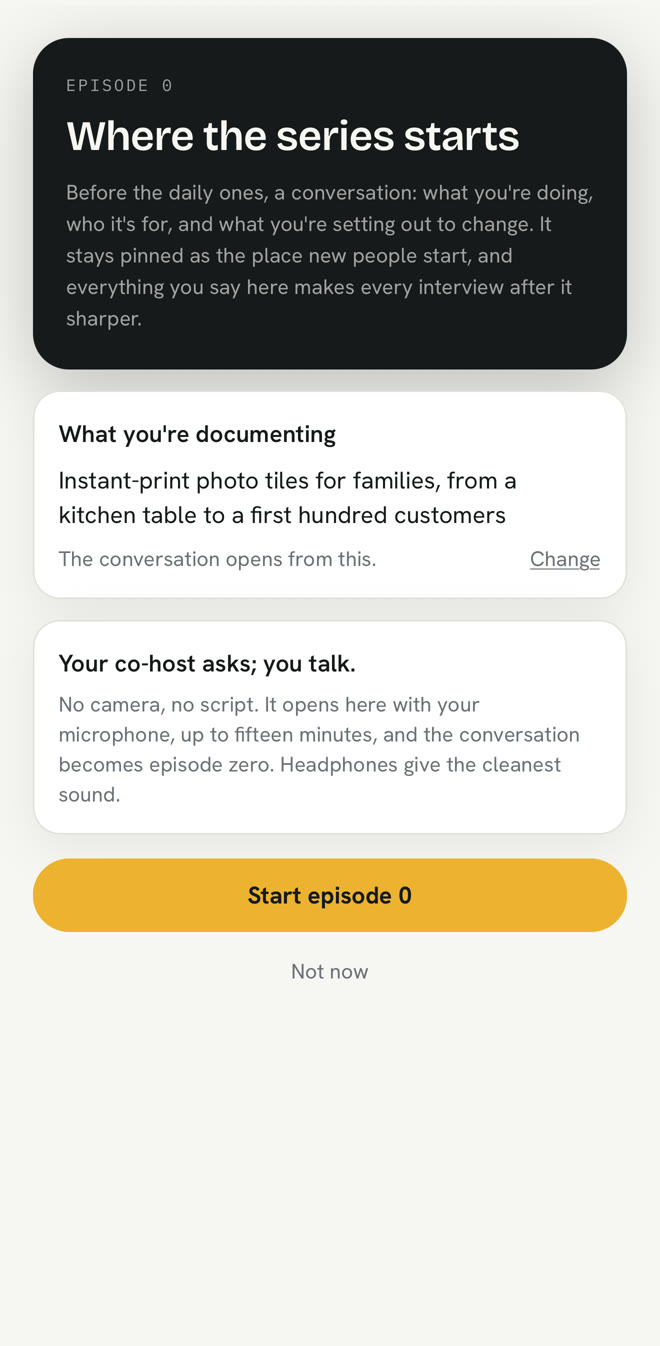
- film episode zero: a co-host asks what you are doing, who it is for and what comes next, and you answer. there is a short practice first if you want one, and nothing is posted.
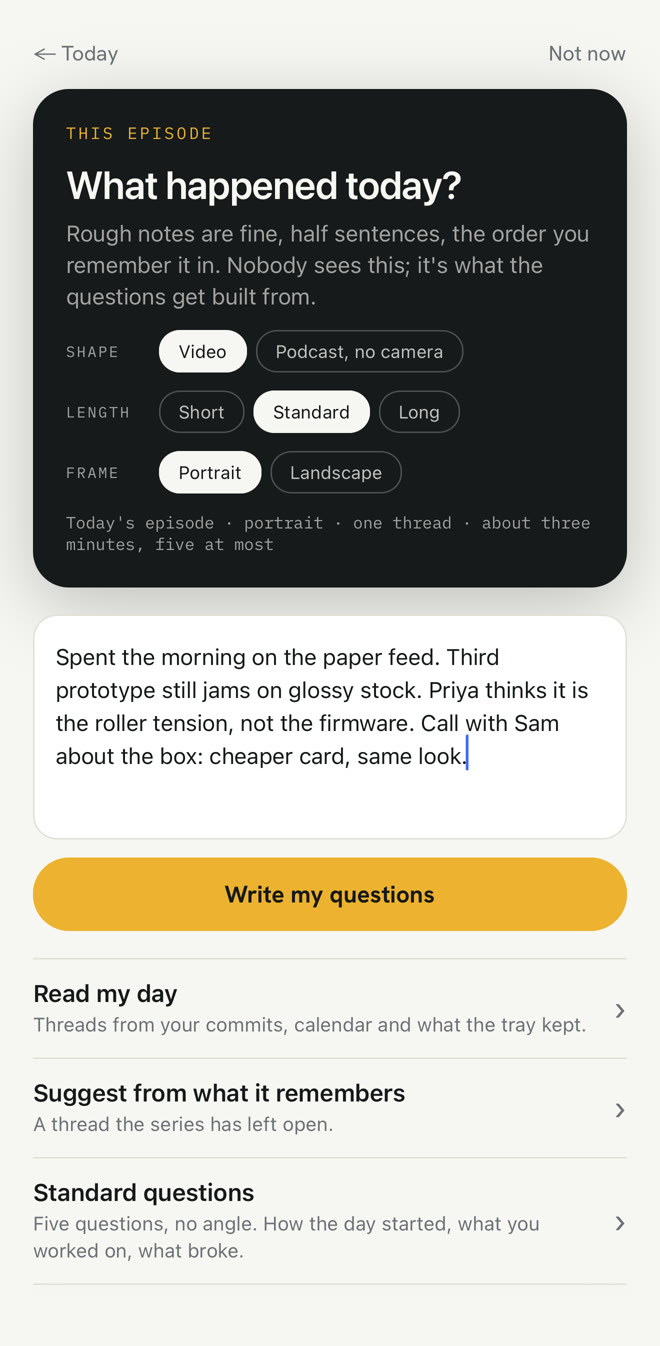
- then each episode: record an episode on today, pick the kind (a video interview, an audio interview if you'd rather not be on camera, just chat for one take with nothing asked, or a conversation with the ai co-host), and pick what it is about.
- the interview asks one question out loud for each thing you picked, in the order you picked them, and you answer for as long as it takes. you see the questions before the camera goes on and can change any of them.
- a few minutes after you finish, the episode is cut: in the order you said it, with the ums and long pauses out, captioned and numbered.
every episode stays in your vault, private, until you choose to make your series public. the vault is the diary: numbered, in order, with the date each one was filmed. if you go public later, everything before that day stays a private season of its own unless you choose to release it.
it works on the web and on iphone, where it is in the app store. every new account starts with a 7-day free trial of any plan: you add a card at the start, nothing is charged until day 8, and you can cancel before then and pay nothing. after that it is $29.99 a month or $299.90 a year.
what to do after the first week
watch two or three of your first entries. it is uncomfortable, then useful: you will notice what you skipped, what you said well, and what you keep almost saying. that is next week's question.
if you missed days, carry on from the next one. the diary is the entries you made, not the ones you didn't. lower how often you aim to record if the first plan was too much; a lighter rhythm you keep beats an ambitious one you abandon.
how do i start a video diary without writing a script?
answer a question instead of presenting. one question per entry, said out loud, answered in your own words. underway asks the questions for you, so there is nothing to draft first.
what if i sit down and have nothing to say?
ask yourself about one specific thing that happened: a conversation, a mistake, a decision. a specific question gets a story where a general one gets a shrug.
how long should a video diary entry be?
a minute or two is plenty to start. short entries are easier to keep making and easier to rewatch. in underway an episode runs as long as your answers to the questions you picked.
do i have to be on camera?
no. a voice-only entry is still a diary entry. underway has an audio interview and a podcast with the ai co-host for the days the camera is too much.
is my video diary public?
not unless you make it so. in underway every episode stays private in your vault until you choose to make your series public.
does underway cost anything to try?
7 days free with a card added at the start. nothing is charged until day 8, and cancelling before then costs nothing.
what to look for in an app for this: private video diary app.
the questions, and why they beat a blank page: a journal app that asks you questions.
this is part of underway's guide to keeping a video diary: the video diary app that asks you the questions.
From the series
Founders’ episodes, written up.
Every public episode on underway has a page of its own: the video, then the same account in writing, checked against what the founder actually said.
Browse every series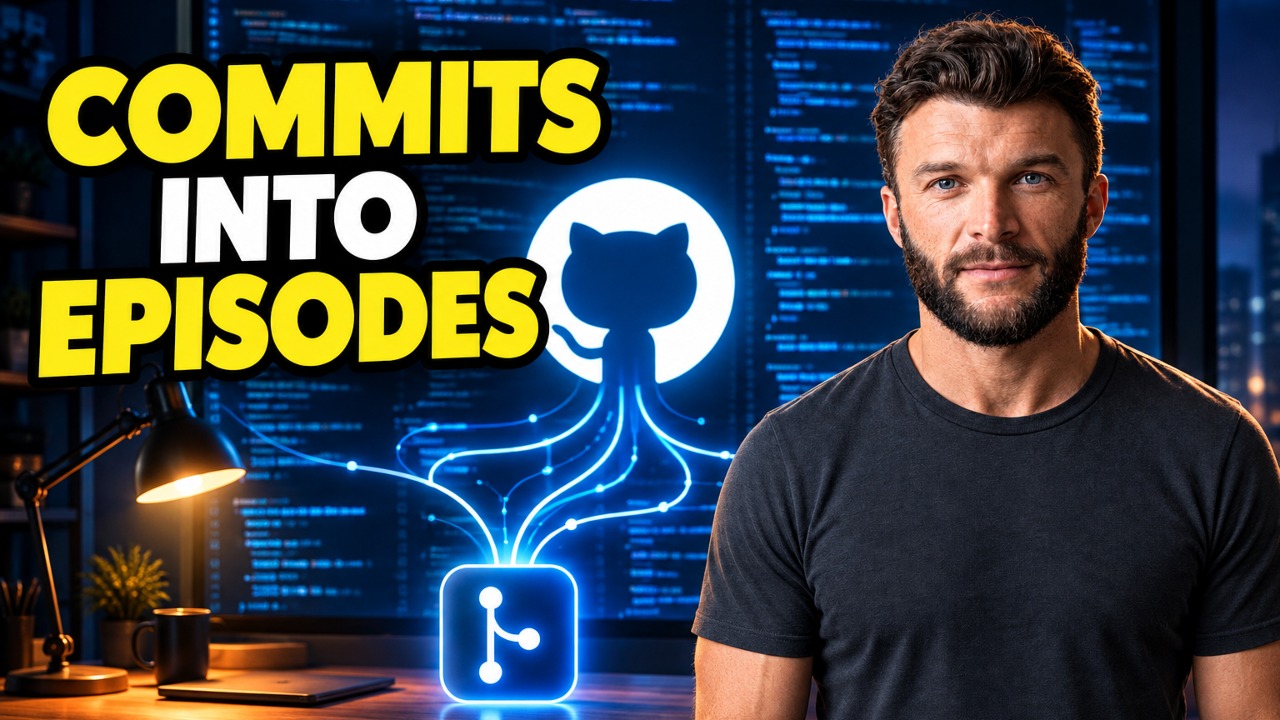
Building Underway
Build in public straight from your commits, no scripting
I demo Underway, the tool I built to turn my commits and standups into a build in public video update. It connects to 14 tools, had read 76 GitHub items that day, and on the Today page showed 15 suggested questions split into new topics, open threads, story needs next and walkthroughs. I also cover what else it reads, inbox, Search Console, Meta Ads, YouTube and Google Analytics, and the fact that the host prompts you but the voice stays yours. Finished episodes land in a private vault, and from there you can post to social, YouTube or the public Underway directory.
Building Underway
Why I post AI content to a new Instagram, not my main
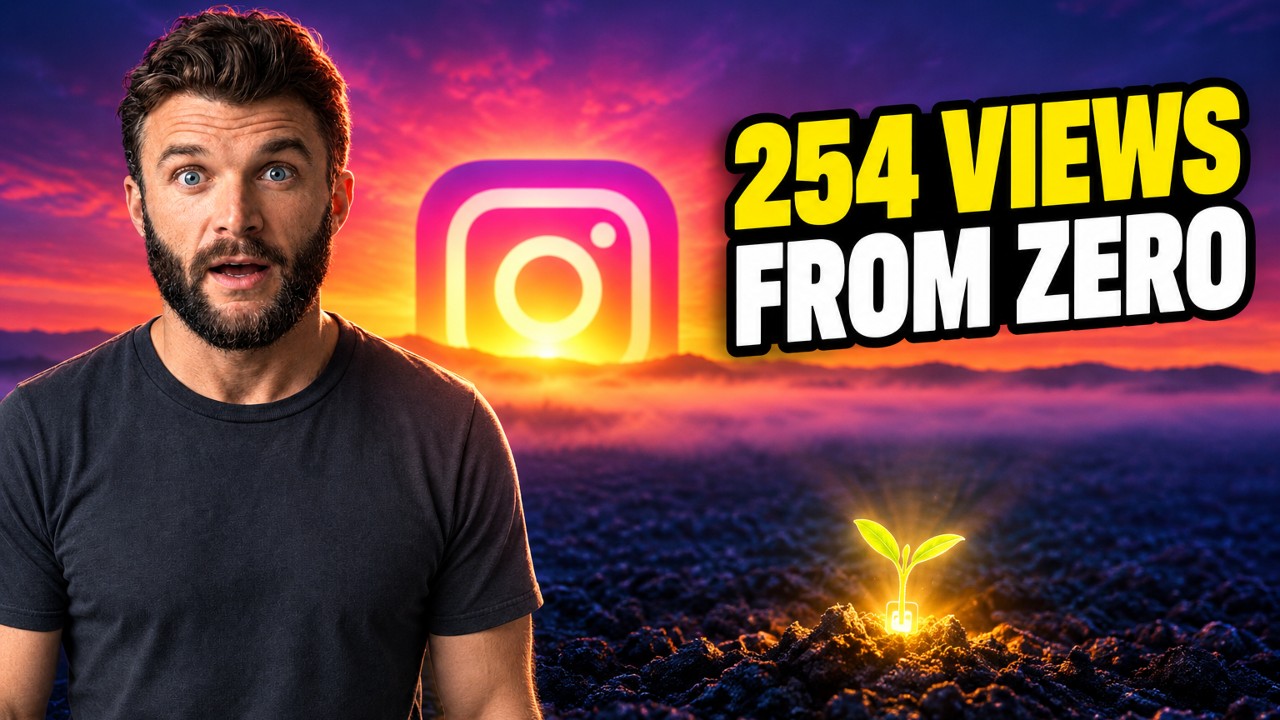
I created a second Instagram account, @underway.life, for faceless AI content, and I post the AI-made Shorts there before they go to my own profile, @underwayrich. My own followers aren't Underway specific, so I'm betting the algorithm will find the pocket of people who actually want this content on a fresh account, and posting to mine first would make the new account's posts count as copied content. One of the videos got 254 viewers yesterday, more than some of my own get. I also showed a video I didn't give the idea for, about a man taking over his dad's 30 year old bakery with no documentation behind it.

Building Underway
Writing a marketing brief with AI
I ran Underway's marketing brief tool on Underway itself and walked through what it produced. It read my site, 537 shipped changes from GitHub, 10 episodes for how I sound and 18 searches, then came back in about four minutes with who it's for, positioning, messaging, where to spend effort and a next 30 days list of 16 things I can tick off. The audience sections matched what I already believed, solo founders who stopped because of the camera or the edit, and makers outside software. Search is the slow part: 309 impressions, four clicks, nothing on page one yet, and the 59 retitled articles need months.
Risk Takers
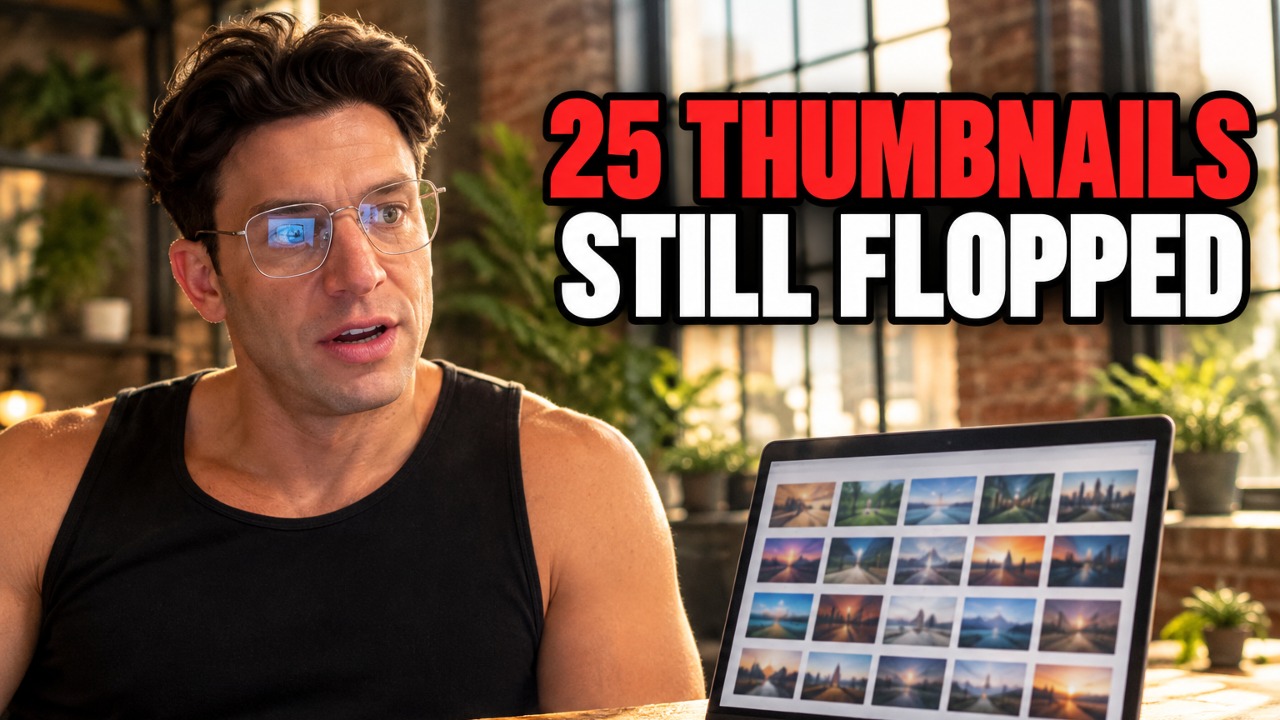
YouTube thumbnail testing: 25 tries, video still flopped
My interview with Anthony, packaged around the US midterms, turned out to be one of my worst performing uploads despite trying twenty five different thumbnails. The last midterms-themed episode had passed 100,000 views, so I expected this one to land the same way, but none of the thumbnail tests fixed it. Anthony told me afterwards it was one of our best conversations, and we covered things like Elon Musk's political donations and the Citizens United ruling, so I don't think the content was the problem, I think my audience wants market talk rather than politics talk. I'm still not sure how to close that gap between a strong conversation and packaging that doesn't pull my regular viewers in.
Building Underway
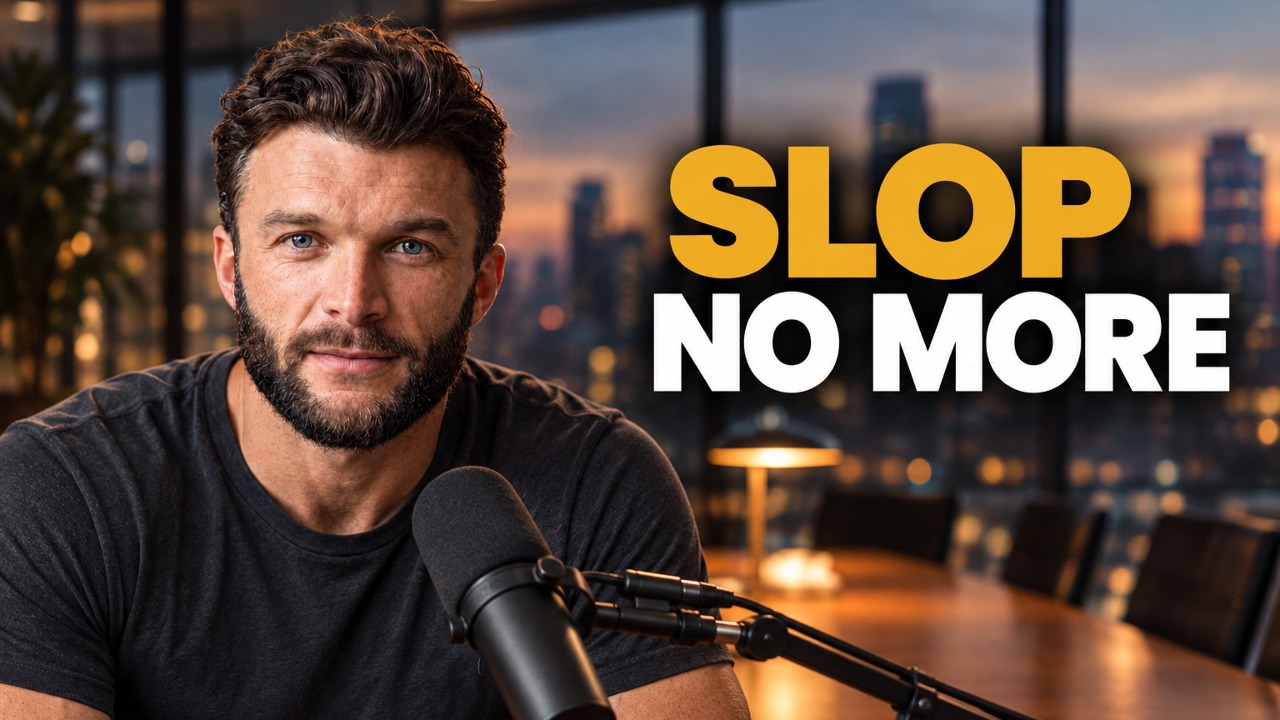
Conversational AI demo: testing my co-host after 'AI slop'
I talk with Cedar, Underway's AI co-host, about feedback from my friend Alessandro, who tried the voice agent and said it felt like AI slop, giving generic, overly enthusiastic answers and talking over him. I ask the co-host to recall episode 40, where I built WhatsApp and Slack bots that nudge me to record, then test whether this newer version sounds more natural than before. I also ask if it has other voices or accents, but it currently only speaks in one voice with no accent switching.

Building Underway
Facebook ads top of funnel message vs what you sell
I ran paid ads for Underway and plenty of people signed up, but hardly any crossed the line because they put in a fake card. Recording this on the day it landed, because I don't want to pretend it's all going smoothly. Looking at it honestly, the ad that converts best doesn't relay what Underway actually is: the unique part is that it knows you and makes documenting easy, not that it clips videos together and puts a thumbnail on. I'm not giving up on it, but I'm back to the drawing board on the messaging.