
What does it feel like giving a first refund?
by Richard Lovatt · updated 19 October 2026
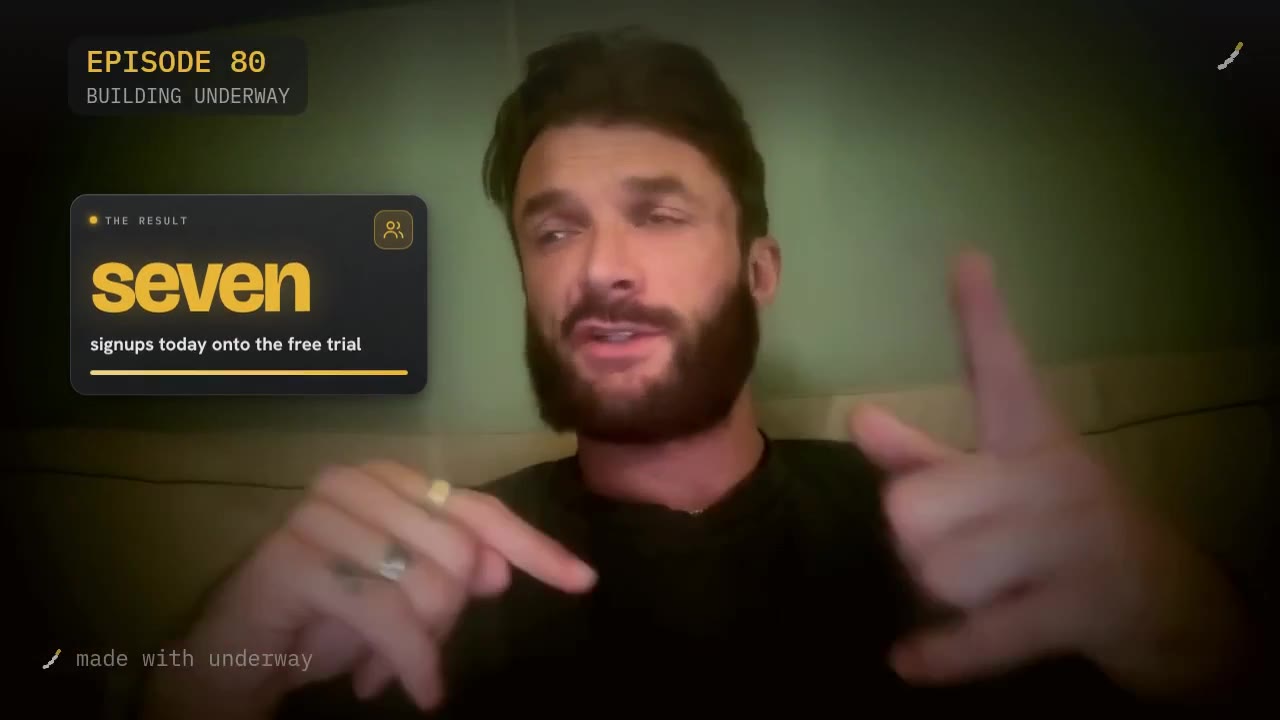
Giving a first refund feels better than you expect when the charge was never meant to happen. My second paying customer came from an ad that only points to a free trial, and I refunded him. Revenue went from $60 back to $29. The same day, seven people signed up to the free trial with their card in, so I was genuinely happy refunding him.
In short
- My second payer came through an ad that only offers a free trial.
- Revenue dropped from $60 back to $29, and I filmed the moment so I would remember being happy about it.
- Seven card-in free trial signups landed the same day, after a day and a half of the new ads; three cards failed and those people did not try again.
- Data rules mean I cannot share my screen the way I usually do, because it would show customer names and details.
- The refund and the calls that followed gave me feedback I could build on, including an Upwork connection I had not thought of.
What actually happened: a refund from the second paying customer
The second person who signed up and paid asked for a refund. The first payer had come direct, read through the website and signed up, which I thought was unusual but fine. The second one came from one of the ads, and that made no sense to me, because right now I am only running ads to a free trial. You would actually find it hard to pay through that route; it only allows you to sign up with a trial.
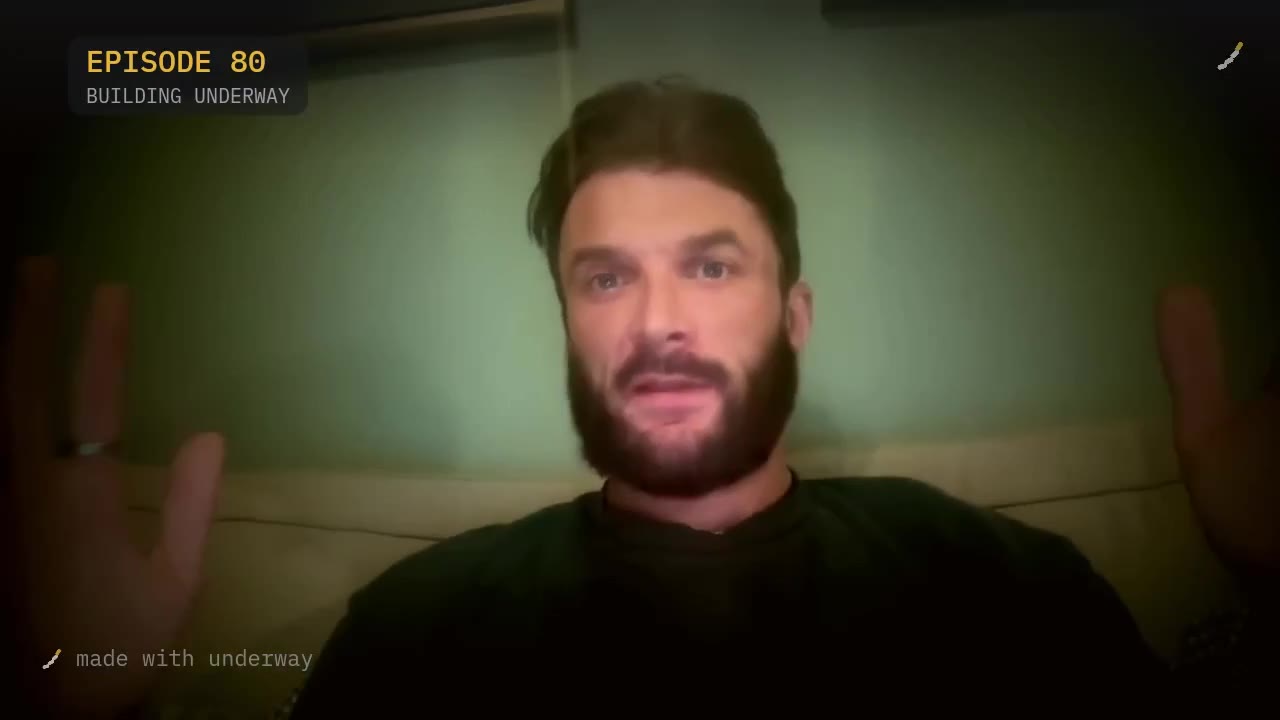
So I looked into it and decided he should have a refund, because he was meant to be in a trial. I sent the refund and had it taken care of. Revenue went from $60 made back down to $29.
What struck me was what he did before asking. I had been told he had set up his series, so he had done things in the app. Even though he had signed up for a trial and then seen he had been charged, he carried on and did not make a fuss of it. I could see his email was a business email, a legitimate, very high-level business. That is the exact type of customer I want.
I filmed it so I could remember the point where I was genuinely happy refunding someone. That is the thing people do not usually put on camera: not the win, the correction.
Why a first refund hits harder than the money
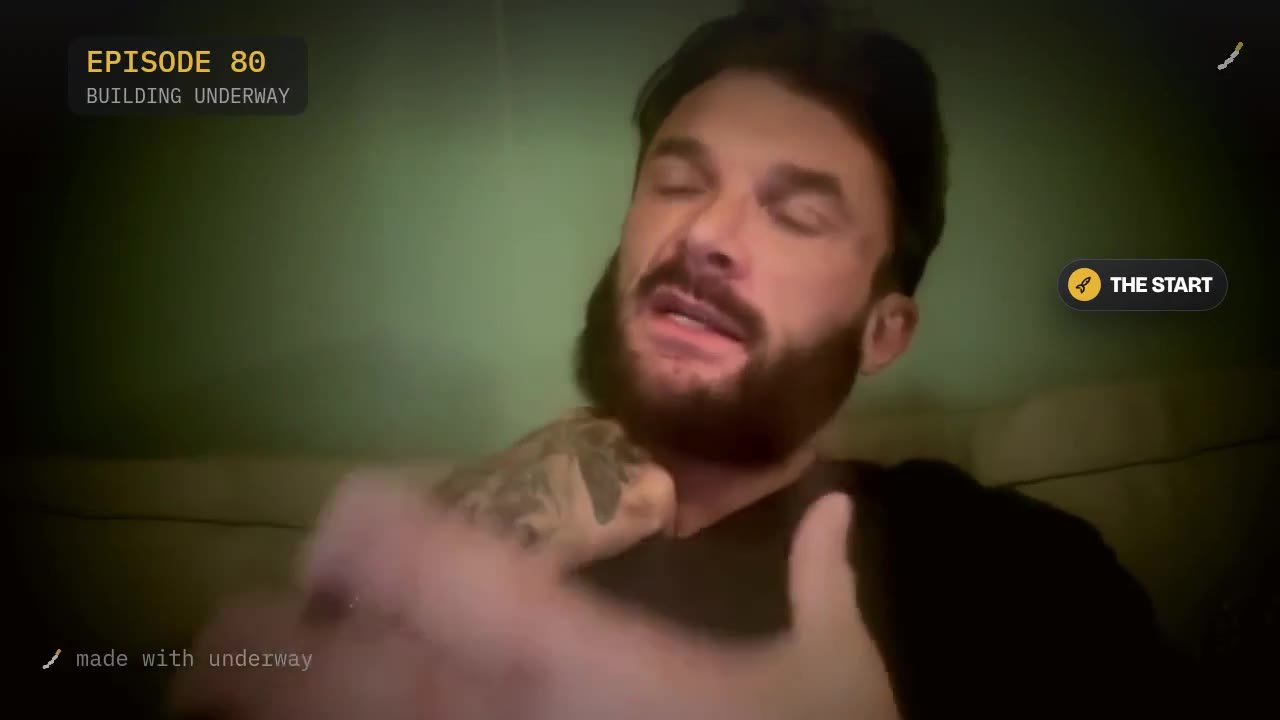
The number itself is small. I am losing far more money than I am making, so $29.99 going back out is not what makes it sting. What makes a first refund feel like something is that it is the reverse of the moment you have been waiting for. The first payment lands and it is a ka-ching moment, proof that a stranger on the internet saw your thing and wanted it. A refund is that run backwards.
The feeling changes completely depending on why the refund is happening. If someone paid, used it and decided it was not for them, that is a verdict on the product. If someone paid because the plumbing charged them when it was meant to start a trial, that is a verdict on your setup, and the right thing to do is give it back before anyone has to argue about it.
Mine was the second kind, which is why I could film it and be pleased. The customer was the right customer. He behaved exactly as I would want. The charge just should not have happened at that point in his journey.
There is a second thing going on at a very small scale: your revenue number is a single customer wide. One refund moves it visibly. When the total is $60, a $29.99 refund halves it. That is worth saying out loud, because the graph looks dramatic and the reality is one person being put back where they were meant to be.
The silver lining: seven card-in free trial signups the same day
On the same day I sent that refund, we had seven signups onto the free trial. Seven people who put their card in, so there is more skin in the game than a free signup with no card. That was after running ads on the new system for about a day and a half.
Three others tried, their card failed, and they did not try again. I am counting those separately rather than pretending they were signups, because they were not. They are a signal that the intent was there and something in the payment step got in the way.
Comparing it to earlier is what makes it land. Running ads to the least frictional route, join for free and get free episodes, brought in people who signed up and then got stuck without using much of the app. Asking for a card filters for people who believe in it enough to hand over details before they have a reason to.
This is why I was pleased on a day I gave money back. The revenue line went down and the thing underneath it went up. These first few days are not the shape of the thing. Add 365 days and maybe ten signups in this sense is a thing of the past, and a hundred signups is the norm. Just putting it out there.
What causes a refund like this: the ad, the trial and the signup path
The mismatch is simple. The ads point to a free trial. The signup path is where the money actually gets taken. If a person can arrive from a trial ad and end up charged, the two are not saying the same thing, and sooner or later someone pays when they expected not to.
It is worth tracing each step rather than guessing. Where does the ad land? What does that page promise? What does the signup screen offer, and what does the card do once it is entered? I said in the episode that you would find it hard to pay through the ad route, which is exactly why the second payer made no sense to me, and why I wanted to look into it instead of taking the money.
The other thing this exposed is how little I can see. Because of data issues and the laws governing data, I cannot access a customer's things. The only things I can actually get are what someone sets up as a series name or title, and their business. That is as far as it goes, which is right, and it also means the way you diagnose this is by reaching out and asking rather than looking.
I did say in the episode, half joking, maybe I should make them pay. The honest version is that something about the ad, the page and the signup was not lined up, and the refund was the cost of finding that out from a real person rather than a test account.
How to handle a first refund, step by step
First, look at what the person actually did before you decide anything. In my case, he had set up his series, so he had been in the app and used it. That told me the product was not the problem and the charge was.
Second, work out whether the charge matched what they were promised. The ads only point to a free trial, so being charged at all was the mismatch. If what someone paid for is not what they were told they were getting, that is settled.
Third, I sent the refund and had it taken care of. Doing it without a fight protects the thing you cannot buy back, which is the kind of customer you want staying interested.
Fourth, write down the number before and after, out loud if you are documenting. $60 to $29. The point of saying it is that it stops you quietly rounding the story up later.
Fifth, look at what else happened that day before you decide how you feel. Seven card-in trial signups and three failed cards were sitting in the same twenty-four hours as the refund. The refund is one line in a day, not the day.
Why I could not share my screen for this one
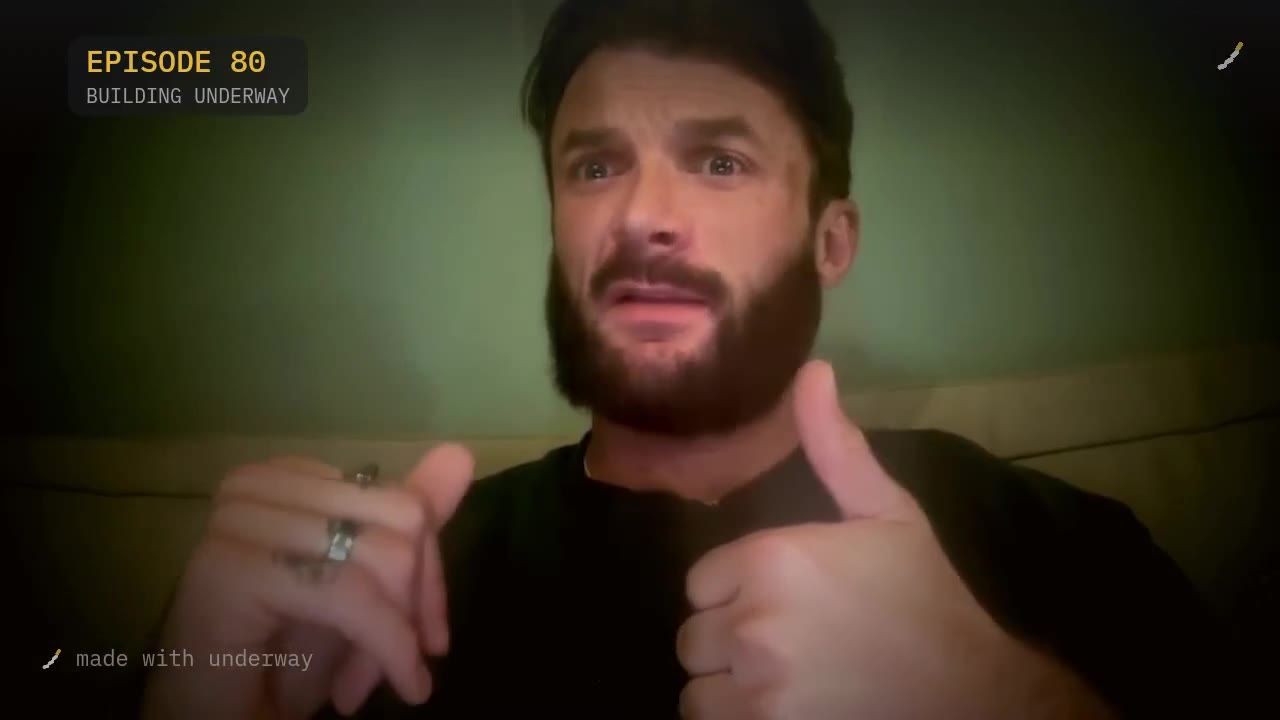
If you have been following along, you know I like to share my screen. I do it most episodes. For this one I could not, because the screen would give away all the names and all the details of all the customers, and I cannot do that.
That constraint is real and it shapes what a founder can document once actual people are involved. Up to the first customer, your screen is your own build: commits, ads, analytics, your own vault. After that, the same screens have other people on them.
It is not a reason to stop filming. It is a reason to change the shape of the episode. This one is a talking-head episode about what happened and how it felt, with the numbers said out loud rather than shown. The record still exists, and nobody's details are in it.
In Underway the same principle runs through the product: connections can only look, never change anything, and your episodes stay private in the vault until you choose to share them. The episode is the record, not a leak of your customers' data.
The calls that came out of it: feedback and onboarding fixes
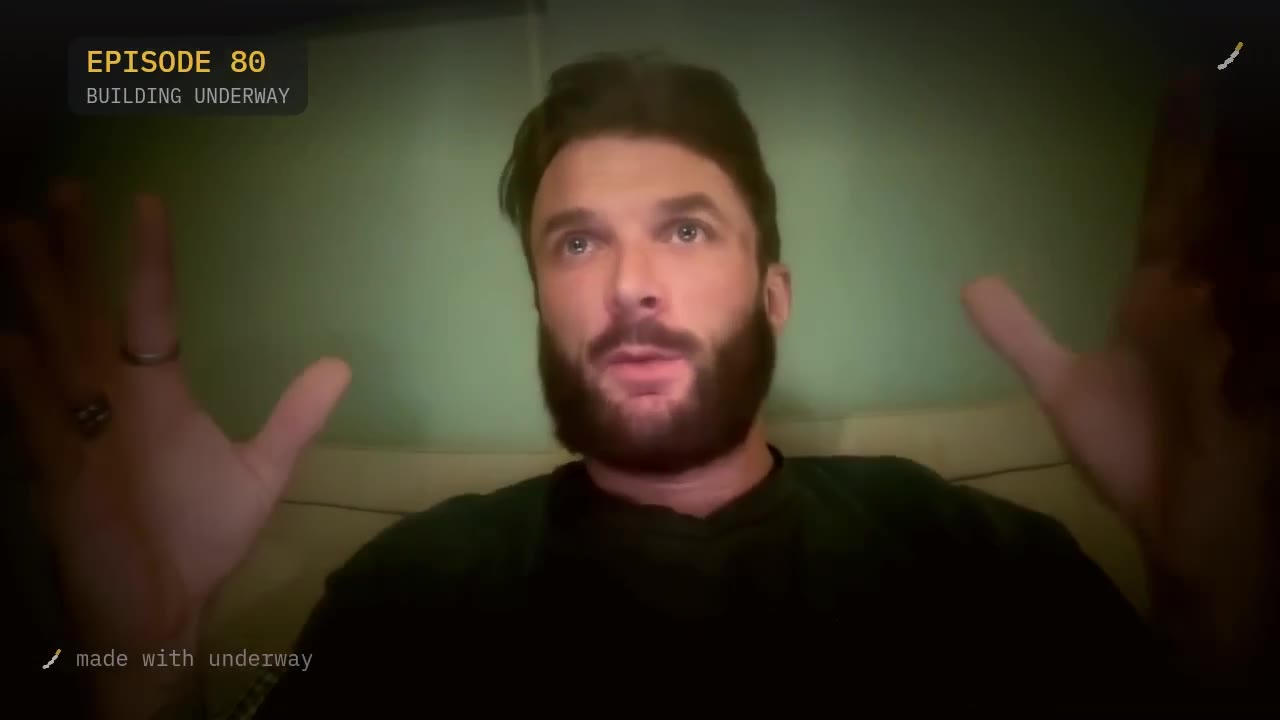
I cannot believe I did not make this episode around the other thing that happened. One of the people who signed up on a trial, Dr Luke, I sent him a message, we had a chat, and I called him. I walked him around Underway, showed him what it can do and explained it, and now we are in touch.
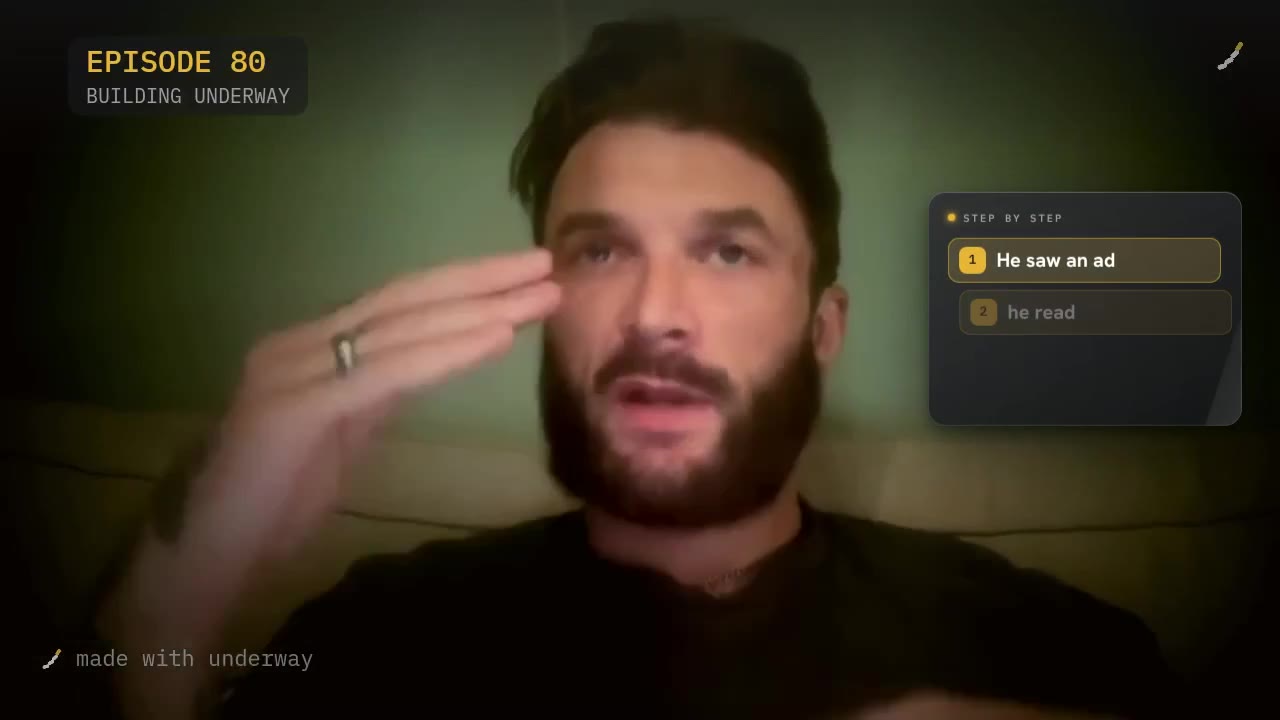
At this stage, the money is obviously not what matters, because I am losing far more than I am making. What matters is the experience of the people using it. So I asked him what he saw and how it made him feel. He saw an ad, read it, went through the website and thought: that is exactly what I need. He said he had been feeling bad that he was doing things in his business and knew he needed to be documenting, and was just not doing it. That is the feeling I had, and the reason the thing exists.
He gave me tips on how I could make things simpler and help people understand it faster. I also spoke to another trial customer who asked whether we could connect to Upwork, something I had not thought of. I am building that in now. He had issues with a few things, and those gave me ideas for improving the onboarding experience.
That is why a refund day can still be a good day. All of it moves me closer to a product that is more intuitive than I could ever have thought on my own.
Questions people ask
Does a refund mean the product failed?
Not necessarily. In my case the customer had already set up his series in the app and carried on using it even after seeing the charge. The refund happened because the ads only point to a free trial, so being charged at that point did not match what he had been offered.
How much revenue did the refund cost?
It took the total from $60 made back down to $29. At this scale one customer is a visible share of the number, which is why it looks dramatic. I said the figures out loud in the episode so the record would be accurate rather than tidied up later.
Why ask for a card on a free trial at all?
Because people who put a card in have more skin in the game. Earlier I ran ads to a free signup with no card, and those people signed up and then mostly got stuck without using the app. The seven who signed up that day all put a card in.
Why could you not show your screen in this episode?
Sharing my screen would have shown the names and details of customers, and I cannot share that. Because of data rules I can only see things like a series name or title and the business, not a customer's own content. So this episode is me talking rather than a walkthrough.
What did you learn from talking to the trial customers?
One of them, Dr Luke, told me what he saw in the ad and how it made him feel, and gave me tips on making things simpler to understand. Another asked whether Underway could connect to Upwork, which I had not thought of and am now building in. Both gave me ideas for improving onboarding.
What is Underway and how does it fit into all this?
Underway reads the tools you work in, asks you about your day out loud, and hands back a finished numbered video or podcast episode with no editing. Everything stays private in the vault until you choose to share it. This episode is one of mine, filmed the day the refund went out.
Should you film the bad days as well as the good ones?
That is the whole idea behind what I am building. Nobody points a camera at a business that has not worked yet, so the record of the hard parts never exists. I filmed the refund specifically so I would remember the point where I was genuinely happy giving money back.